SEE Holding’s decision to appoint Maye Musk as the Global Voice of The Sustainable City is less about branding and more about clarifying what the Sustainable City model is intended to deliver as it expands into new markets, including the United States.
Musk’s relationship with The Sustainable City did not begin with a press announcement. She has visited the community previously, spending time on site, engaging with residents, and experiencing how sustainability is woven into everyday life. That context matters as the Sustainable City platform continues to evolve beyond its original developments.
A Model Built Around Daily Life
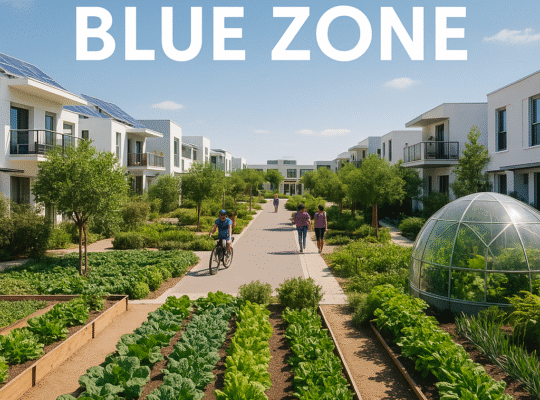
At its core, The Sustainable City is designed to make sustainability practical and livable. Renewable energy, walkable design, green mobility, and resource efficiency are embedded into the community’s planning. But just as important is how people live within it—how they move through their day, interact with neighbors, and manage long-term costs.
The model emphasizes:
- Human-scale, walkable neighborhoods
- Community connection and shared spaces
- Wellness and long-term livability
- Planning that considers affordability over time, not just at the point of sale
This is where Maye Musk’s involvement becomes relevant. Her long-standing focus on wellness, healthy aging, and quality of life aligns with how The Sustainable City measures success—not only through environmental performance, but through whether a community remains livable and attainable for residents over the long term.
Affordability as Part of Sustainability
In many fast-growing regions, sustainability and affordability are often treated as separate conversations. In reality, they are closely linked.
As housing costs rise in urban cores, households are moving outward in search of attainable housing and better quality of life. Communities that fail to plan for this growth holistically often see affordability erode through higher transportation costs, inefficient land use, and mounting infrastructure strain.
The Sustainable City approaches affordability as a planning outcome. By integrating efficiency, mixed-use design, and infrastructure from the outset, the goal is to reduce long-term living costs while creating communities that can grow without sacrificing livability.
What’s Expected Going Forward
As the Sustainable City platform expands, expectations are becoming clearer. Stakeholders are focused less on vision statements and more on delivery—particularly around attainable housing, long-term cost efficiency, and community design that supports daily life.
Maye Musk’s role helps ground those expectations in lived experience, reinforcing the idea that sustainability is ultimately about people, not just systems.
As growth accelerates across many U.S. regions, the challenge is no longer whether development will happen, but whether it will be intentional, affordable, and built to last. The Sustainable City’s approach places those questions at the center of how future communities are planned.