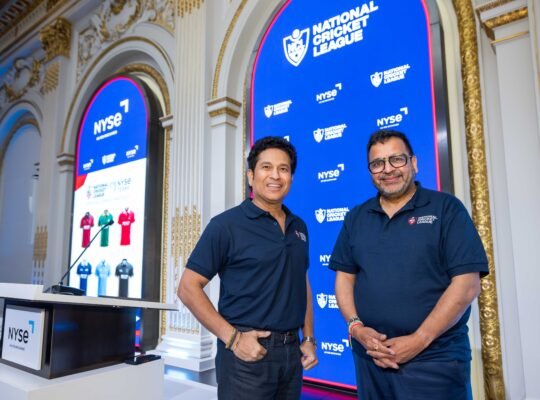



Cricket has long been the soundtrack of life in countries across Asia, Australia, the U.K., and the Caribbean. In the United States, though, the sport lived in the background—kept alive by immigrant communities, largely invisible to mainstream fans. That dynamic is shifting, fast. And one of the people pushing that change is Arun Agarwal, chairman of the National Cricket League (USA).
Agarwal’s bet was simple: Americans weren’t unwilling to embrace cricket; they just hadn’t been shown a version that matched how U.S. audiences consume sports. He wasn’t trying to Americanize the game. He was trying to modernize how it’s presented.
That thinking led to the league’s Sixty Strikes format, a faster, tighter version of cricket that lands neatly inside a two-hour window—right where American sports broadcasters want it. Games move quickly. Plays unfold cleanly. The energy feels familiar, even if the scoring doesn’t. The essence of cricket stays the same; the packaging fits the moment.
With that, the National Cricket League (NCL USA) took shape: six city-based teams, stretching from New York to Los Angeles, backed by a global roster of mentors and ambassadors. Sachin Tendulkar, Chris Gayle, and other household names lent their credibility and their belief that U.S. cricket could be more than an experiment.
But the league isn’t relying on star power alone. The NCL treats every match as an experience, not just a game. Fans show up for the cricket—and stay for the live music, celebrity performances, and a festival atmosphere that feels more like a cultural event than a traditional sporting contest. It’s a formula U.S. audiences already understand. The NBA and NFL didn’t grow by focusing on gameplay alone; they built entertainment ecosystems around their sports. Cricket is doing the same.
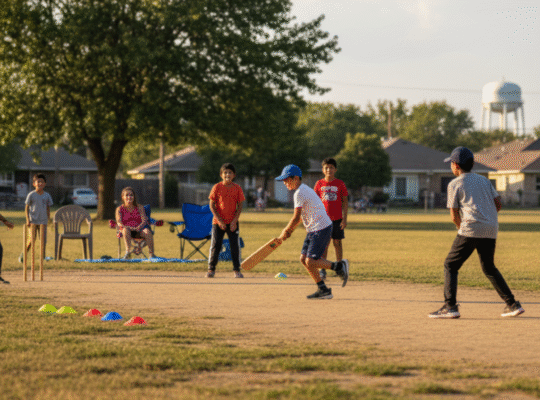
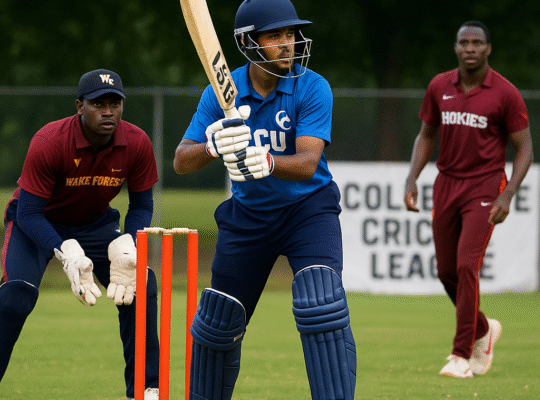
What also separates the NCL from previous attempts is its commitment to building roots, not just hype. Partnerships with school districts, after-school programs, and universities are quietly creating the country’s first true pipeline of American-born cricketers. In Dallas, youth clinics and introductory programs are giving kids access to a sport they might never have encountered.
Agarwal often says, “Cricket’s future in the U.S. depends on how many American kids pick up a bat for the first time.” That’s where the real growth potential lives.
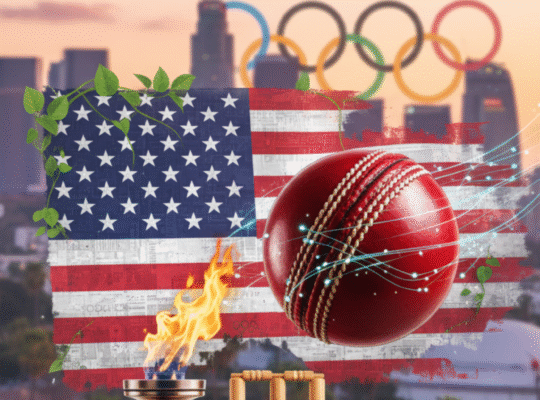
And the timing couldn’t be better. With cricket returning to the Los Angeles 2028 Olympics, the sport is heading toward a level of visibility it hasn’t had in decades. The NCL’s calendar, college partnerships, and tournaments now operate as early preparation grounds for what could become America’s first Olympic cricket team.
Sports economists have started drawing comparisons to soccer’s trajectory in the U.S. during the 1990s. Build the structure now, and cultural adoption follows. Cricket may be on a similar track—only faster.
Today, the National Cricket League is proving that global sports can adapt to the U.S. market without losing authenticity. Viewership spans more than 50 countries, attendance is climbing, and the sport finally feels like it has an American narrative.
Agarwal’s goal is still straightforward: make cricket part of the U.S. sports conversation. And for the first time, that no longer feels ambitious. It feels underway.
That dual focus—global visibility paired with local engagement—has allowed the league to grow audiences while nurturing homegrown potential.
Building Toward LA28
The timing is fortuitous. With cricket returning to the Los Angeles 2028 Olympics, the NCL’s efforts align with an international spotlight the sport hasn’t enjoyed in decades. The league’s tournaments and collegiate programs are serving as informal pipelines, preparing American players to compete on an Olympic stage for the first time.
Sports economists see parallels with soccer’s U.S. growth in the 1990s: infrastructure now, cultural acceptance later. The NCL is positioning cricket to follow that same curve—only faster.
A New Chapter in U.S. Sports Culture
Today, the National Cricket League represents more than a successful startup; it’s proof that global sports can be reimagined for an American audience without losing authenticity. Viewership now spans more than 50 countries, and attendance records continue to climb with each season.
The ultimate goal, according to Agarwal, remains straightforward: make cricket a household name in America. As the league continues on its current trajectory, the once-unthinkable prospect of the U.S. as a competitive cricket nation is a reality.