


For decades, American cities have tried to retrofit wellness into urban environments never built for health. Parks get added after the fact. Bike lanes are squeezed into car-centric corridors. Community programs attempt to fix what design failed to prevent.
But what if a city didn’t need to fix public health?
What if it was built for it from day one?
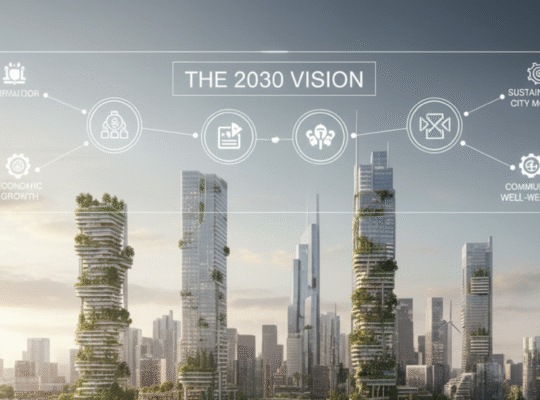
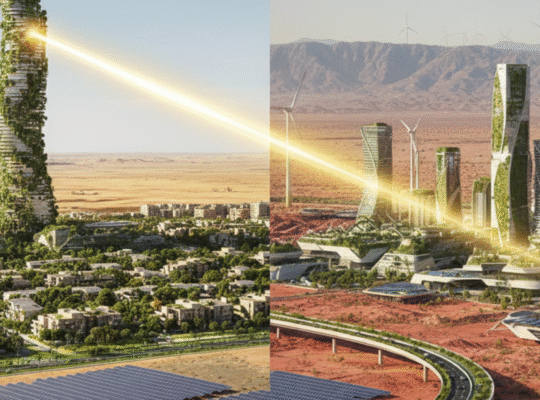
That’s the idea behind The Sustainable City, a Dubai-led model that has become one of the world’s most successful examples of net-zero urban living — and the inspiration for what may become America’s first Blue Zone–inspired master-planned community.
Blue Zones, the regions where people routinely live past 100, have revealed a global truth: longevity is not an accident. It’s the direct result of daily movement, strong social ties, clean food, low stress, and shared purpose. Most cities attempt to encourage these habits.
The Sustainable City designs them into the blueprint.
Now, as the concept expands from Dubai to the United States, it could redefine how Americans think about health, sustainability, and the future of community living.
A Global Model Arrives in the U.S.
The Sustainable City first launched in Dubai nearly a decade ago. What began as an experiment in climate-resilient development quickly became a benchmark in sustainable living. Car-free zones, rooftop solar, urban agriculture, and high walkability created not just an environmentally efficient neighborhood — but a healthier one.
Residents reported lower utility costs, improved air quality, more movement, and deeper social connection. The model became so effective that governments, planners, and global investors began looking to replicate it.
Now it’s coming to America, beginning in Texas, where the vision is even more ambitious:
a purpose-built community where the Blue Zone lifestyle is engineered into the design.
How The Sustainable City Builds a Blue Zone From the Ground Up
While traditional Blue Zones evolved over centuries, The Sustainable City is re-creating the same conditions using modern urban design. Here’s how the principles translate into a real-world American community:
1. Movement Is Built In — Not Scheduled
In Blue Zones like Okinawa and Sardinia, people don’t “work out” — they simply move throughout the day.
The Sustainable City mirrors this through:
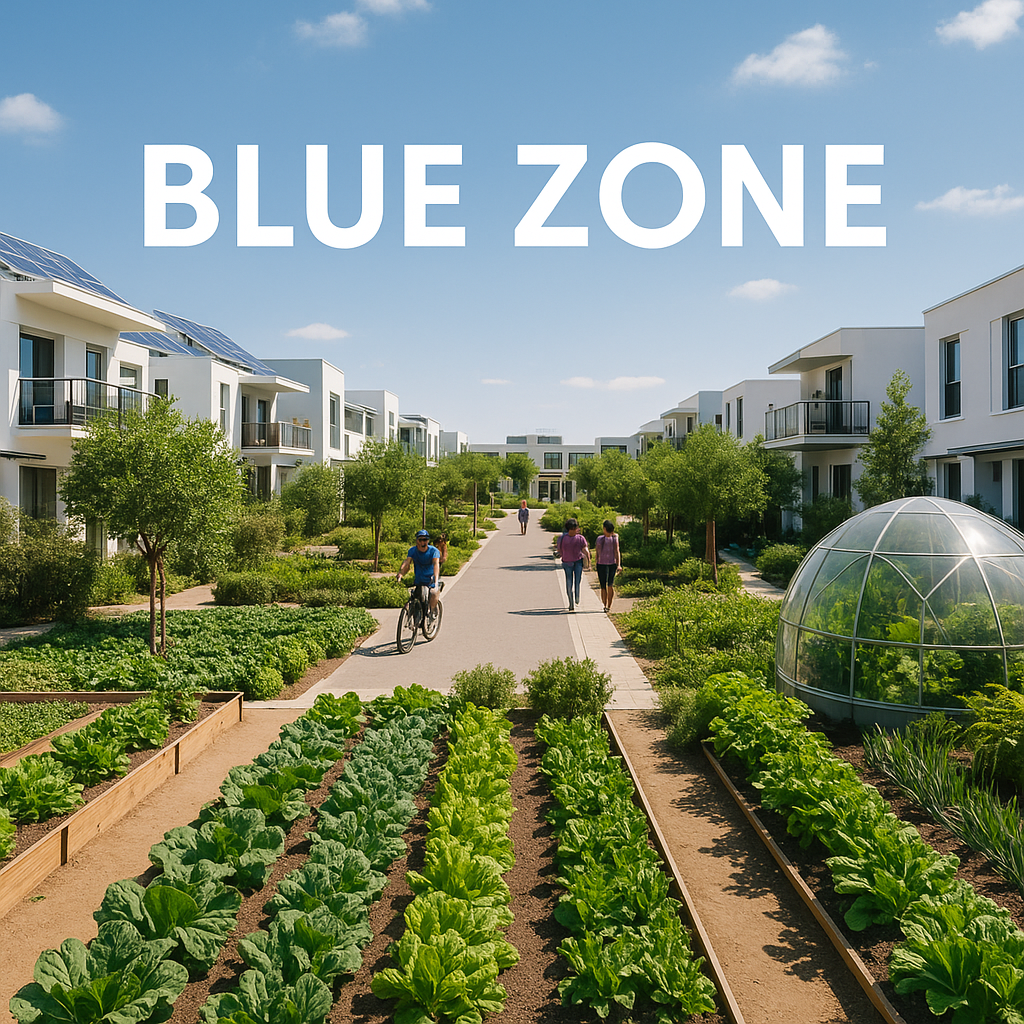
- car-free residential clusters
- interconnected walking paths
- bike-first street design
- shaded recreation loops
Movement becomes unavoidable, not optional.
2. Food Comes From the Community — Not Just a Store
Urban farms, orchards, and biodomes within the community provide fresh, local produce. This reflects the plant-forward diets of global Blue Zones and reduces dependence on long-distance supply chains.
Healthy eating becomes a default lifestyle, not a trend.
3. Social Connection Is Part of the Architecture
Blue Zone residents enjoy strong, multigenerational networks.
The Sustainable City recreates this through:
- community plazas
- shared courtyards
- coworking hubs
- cultural and wellness programming
Loneliness — now considered a public health epidemic — is engineered out.
4. Purpose Is Baked Into the Community
Residents in Blue Zones have a clear sense of purpose (“ikigai” in Okinawa).
The Sustainable City builds purpose through sustainability:
- community volunteering
- environmental education
- local entrepreneurship
- resident-led initiatives
People feel connected to something bigger than themselves — the health of their community and the planet.
5. Lower Stress, Cleaner Living
Solar-powered homes, EV systems, pedestrian zones, and shaded greenways reduce noise, heat, and pollution — all major drivers of chronic stress.
The environment itself becomes a wellness tool.
- rising chronic disease
- unprecedented loneliness
- aging populations
- climate and heat challenges
- the mental health fallout of the past decade
Traditional development models can’t solve these problems.
Design-driven communities can.
The Sustainable City provides a new template for:
- health-forward housing
- resilient infrastructure
- sustainable growth
- mobility beyond cars
- community-powered well-being
It’s a shift from “smart cities” to healthy cities, where tech supports — but does not overshadow — human health and social belonging.
A Preview of the Future American Neighborhood
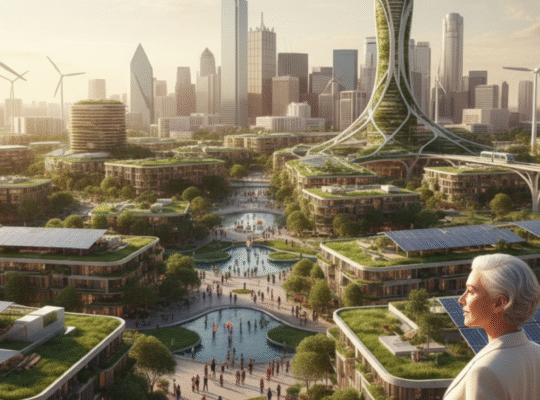
Cities like Dubai have shown the world what’s possible when clean energy and human-centered design come together. By bringing that model to the United States — and weaving in Blue Zone science — The Sustainable City is introducing a new frontier:
neighborhoods where you live longer because of where you live.
If replicated at scale, this could mark one of the most transformative shifts in American urban development in decades — a future where wellness is not a luxury amenity but a core civic foundation.
As the first U.S. Sustainable City prepares to break ground, one thing is clear:
If the global Blue Zones taught us how people live longer, The Sustainable City is showing where they can.
And for the first time, that future is being built on American soil.