

Artificial intelligence is rapidly transforming how fans experience sports — not just on the field, but in the stands. From personalized pricing to predictive attendance models, AI is reshaping one of the industry’s oldest challenges: how to fill every seat.
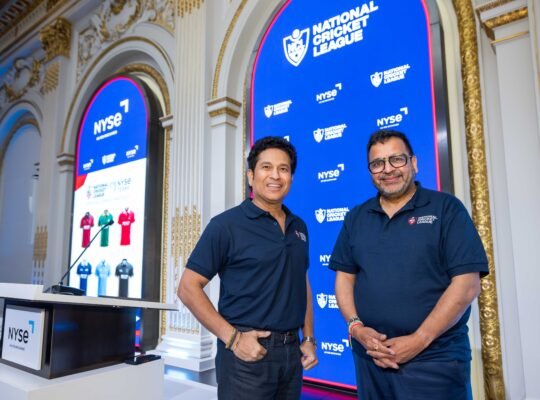
At this year’s National Cricket League (NCL) tournament in Dallas, technology quietly took center stage. Behind the music, celebrity appearances, and packed grandstands was a data-driven system analyzing fan behavior in real time — adjusting ticket prices, optimizing promotions, and forecasting turnout. The results pointed to a future where AI and analytics are as crucial to success as coaching and talent.
From Guesswork to Precision
For decades, ticket sales relied on static pricing and broad marketing campaigns — more hope than science. This season, the NCL adopted a model that looked more like a Silicon Valley startup than a traditional sports league.
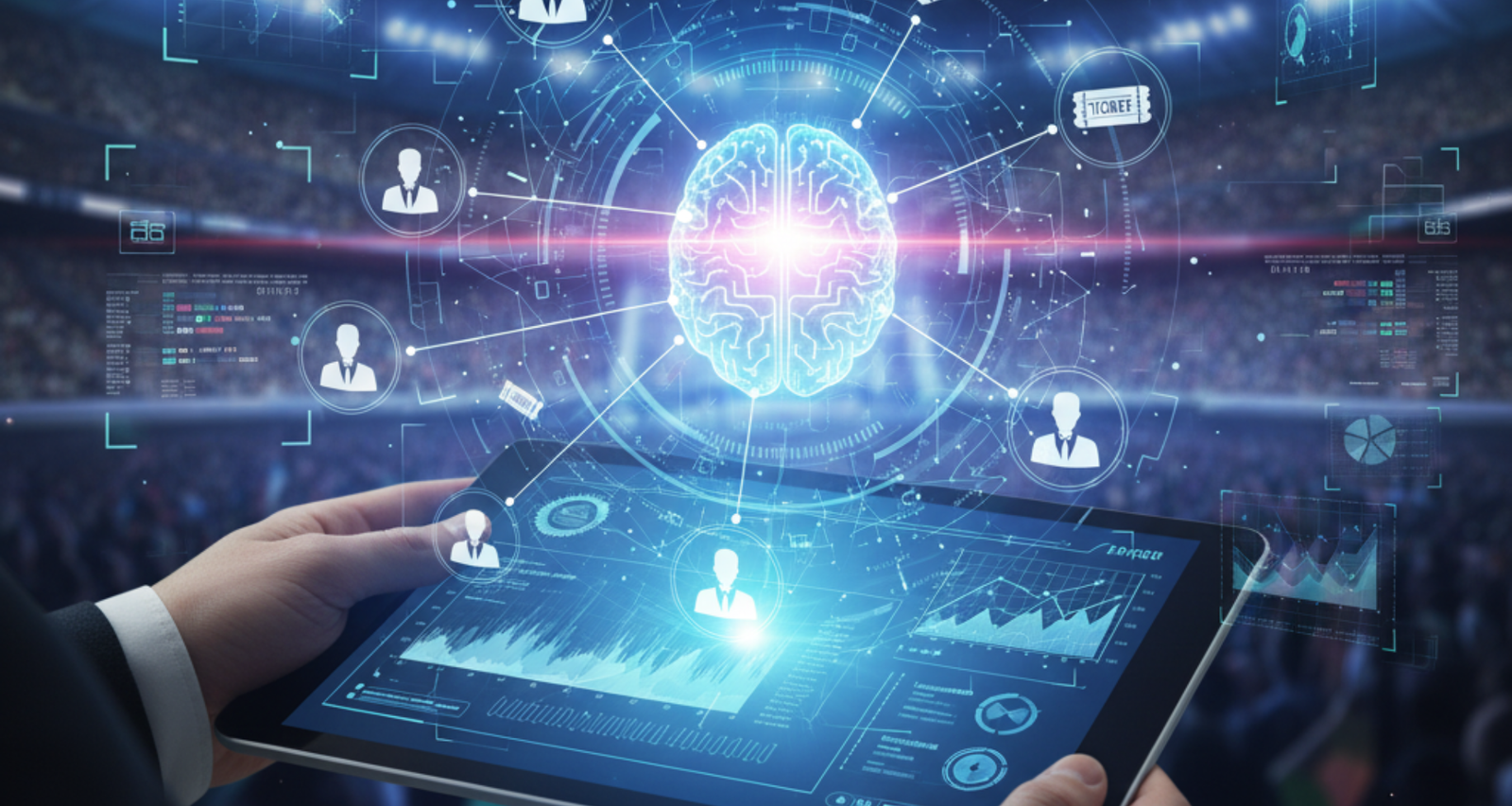
Using AI-powered analytics, the league monitored fan activity across multiple touchpoints: website clicks, social-media engagement, and even regional search trends for phrases like “cricket near me” or “Dallas sports events.” Algorithms then identified who was most likely to attend, when they were ready to buy, and what type of offer would convert them.
Dynamic pricing systems adjusted in real time based on demand, proximity to game day, and even weather forecasts. Early buyers benefited from lower prices, while finals and weekend matches reflected premium demand.
“It’s no longer about one-size-fits-all marketing,” said Arun Agarwal, Chairman of the NCL. “AI allowed us to understand the fan journey — from curiosity to conversion — and engage people with precision. That’s how you grow a new sport in a new market.”
Predicting Behavior, Not Just Selling Seats
The technology’s real advantage came from prediction. AI tools tracked patterns by day, demographic, and region, helping the league forecast crowd sizes before tickets sold out.
Data showed higher engagement among university students on weeknights and families on themed weekends, prompting collaborations with UT Dallas, Dallas ISD, and community partners to align promotions and transportation options with anticipated spikes in interest.
The payoff was measurable: attendance rose across community and veterans-themed nights, and real-time insights improved staffing, concessions, and parking efficiency.
When Algorithms Meet Storytelling
Even with advanced analytics, human creativity remained essential. The marketing team used AI insights to craft personalized outreach: mobile-first messaging for students, family-pack bundles for parents, and multilingual ads for international fans.
The hybrid approach worked. The NCL recorded its highest online engagement to date and a 30 percent increase in advance ticket sales compared with previous seasons.
“AI isn’t replacing the art of marketing,” Agarwal added. “It’s amplifying it — helping us understand what matters to fans so we can meet them there.”
The Next Phase of Fan Engagement
Across global sports, organizations are watching experiments like the NCL’s closely. Future AI models may recommend seats based on viewing history, detect churn risk among season-ticket holders, or adjust in-stadium entertainment based on live sentiment analysis.
For a sport reintroducing itself to America, those tools have done more than move tickets — they’ve built relationships. The NCL’s adoption of AI shows how data and empathy can coexist, giving teams and leagues a clearer picture of what truly drives fandom.
In short, the National Cricket League didn’t just use AI to sell seats. It used AI to understand people — and, in doing so, offered a glimpse into the next era of fan experience.