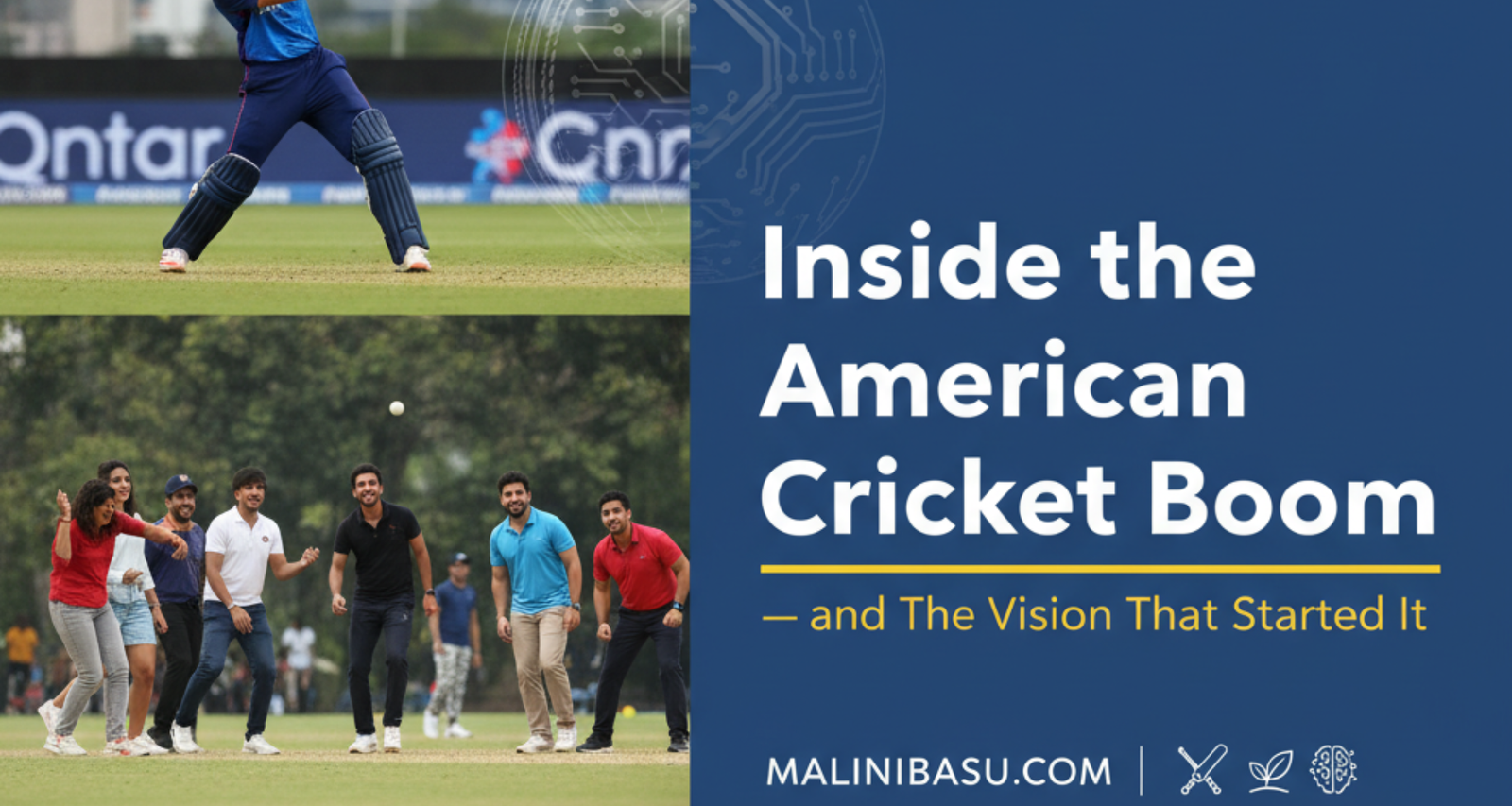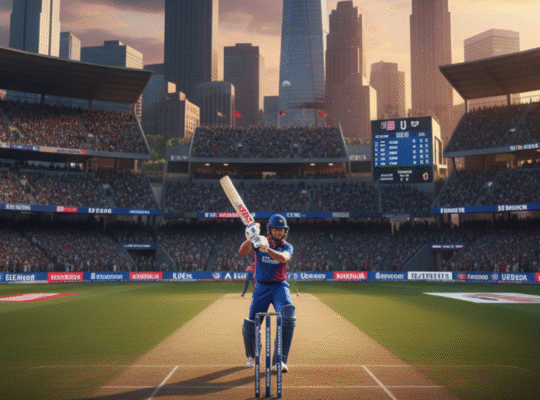



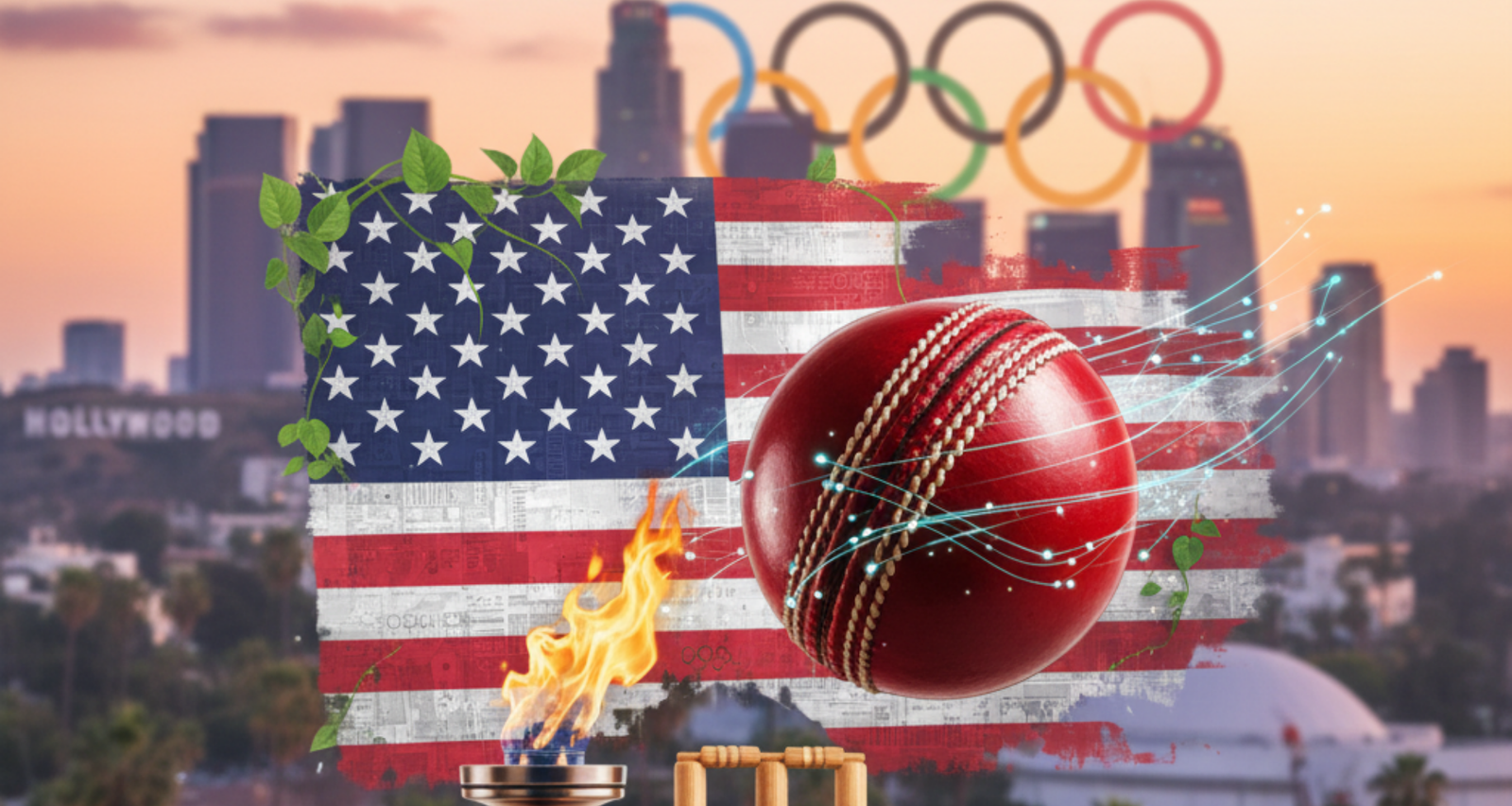
After more than a century away from the Olympic stage, cricket is set to return at the Los Angeles 2028 Games (LA28)—and the United States is quickly emerging as an unexpected player in the sport’s global evolution.
From packed exhibition matches to new university programs, the once-foreign bat-and-ball game is finding an audience in American cities more familiar with baseball and football. At the center of that growth is a mix of investors, athletes, and leagues testing whether the world’s second-most-watched sport can thrive in the U.S. market.
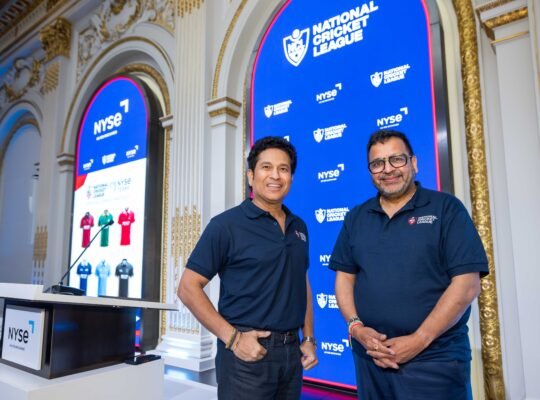
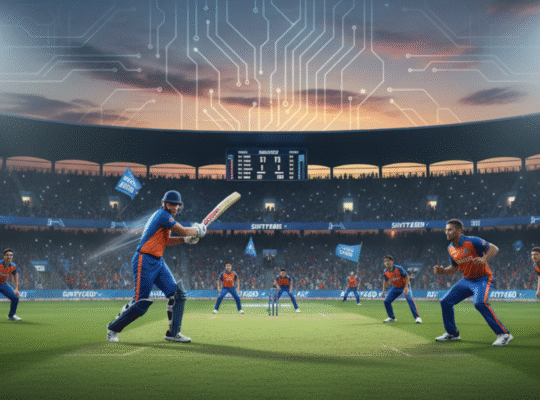
One of the most visible examples is the National Cricket League (USA), which is using a modern, fast-paced format called Sixty Strikes to align cricket with American viewing habits. Its upcoming October 2025 tournament in Dallas is expected to draw both international talent and a new generation of local fans.
The Broader Context: A Global Game in an American Market
Cricket’s challenge in the United States has never been about talent—it’s about translation. The traditional five-day test matches beloved across India, Australia, and England rarely fit U.S. attention spans or broadcast windows. Newer formats like Twenty20 and Sixty Strikes compress the game into two-hour contests, making it easier to stream, sponsor, and schedule.
Analysts say the timing couldn’t be better. With LA28 placing cricket on the Olympic calendar, the International Cricket Council and domestic organizers are eyeing a once-in-a-generation opportunity to grow participation, infrastructure, and commercial partnerships.
Building Infrastructure from the Grass Roots
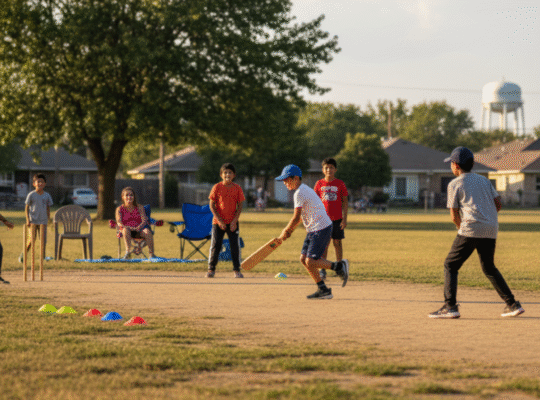
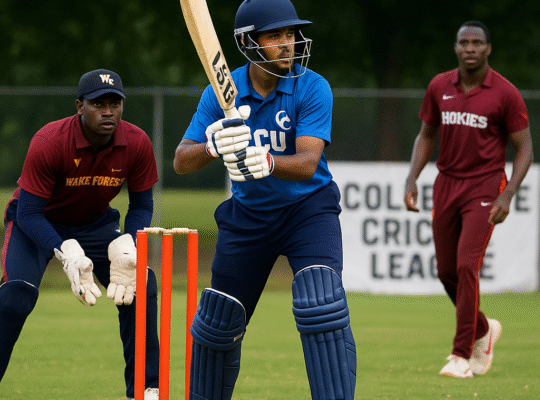
Beyond headline tournaments, leagues like the NCL USA have partnered with universities and youth programs to introduce cricket to students who have never held a bat. The Collegiate Cricket League initiative, for example, is working with schools in Texas, Georgia, and New York to create a developmental pathway that could eventually feed into Olympic-level competition.
Cricket’s time in America is now,” says Arun Agarwal, chairman of the National Cricket League. “The Olympic spotlight will accelerate everything—from youth engagement to national recognition.
Such efforts mirror how soccer’s 1994 World Cup transformed U.S. sports culture. What began as a curiosity eventually became Major League Soccer. Insiders hope cricket can follow a similar trajectory.
The October 2025 Tournament: A Test Case for the Future
The upcoming Dallas tournament will serve as a stress test for the sport’s stateside potential. Six teams—the New York Lions, Chicago Cricket Club, Dallas Lonestars, Texas Gladiators, Atlanta Kings, and Los Angeles Waves—will compete in the Sixty Strikes format. Organizers are pairing matches with live cultural performances, digital fan engagement, and sustainability goals such as a carbon-neutral pledge by 2030.
The league’s approach is deliberately hybrid: part competition, part cultural festival. It’s designed to introduce cricket through experience rather than exposition.
Why This Matters Ahead of LA28
If cricket is to succeed long-term in the United States, it will need more than imported stars—it will need a local narrative. The investment, university partnerships, and media coverage could create that foundation in time for LA28.
“The world is watching as cricket expands in North America,” said another veteran cricket executive. “This isn’t just about one tournament; it’s about creating a sustainable ecosystem that supports American players and fans.”
The stakes are high. The Olympic spotlight could either cement cricket’s place in U.S. sports culture—or expose how much work remains.
The Takeaway
Cricket’s American experiment is entering its defining chapter. With the LA28 Olympics on the horizon and leagues testing innovative formats, the U.S. may soon discover what the rest of the world already knows: cricket’s rhythm, strategy, and spectacle have a universal appeal—just waiting to be unlocked on American soil.