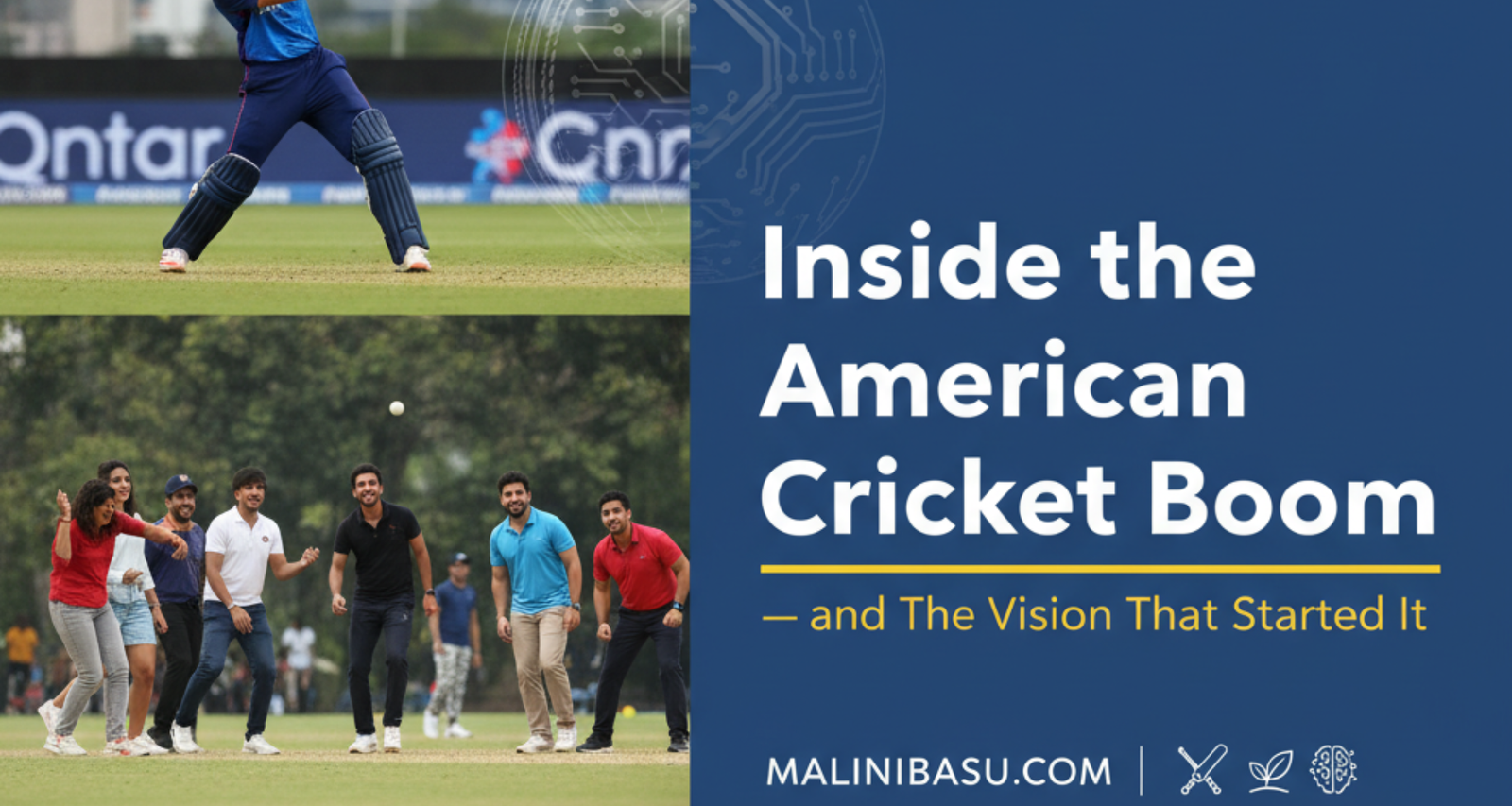
For decades, cricket has been the heartbeat of nations across Asia, Australia, the United Kingdom, and the Caribbean. Yet in the United States, it lingered on the margins—admired by immigrants, ignored by mainstream audiences. That is, until a new generation of organizers began reframing the game for American sensibilities.
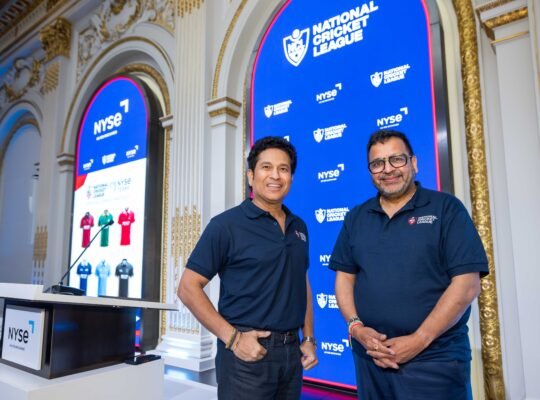
At the center of this shift stands Arun Agarwal, chairman of the National Cricket League (USA), whose vision has helped position cricket not merely as a niche pastime but as an emerging force in North American sports.
A Vision Takes Shape
When Agarwal first floated the idea of launching a professional league in the U.S., skeptics wondered if cricket could ever win over a country built on baseball. His answer was simple: reinvent the presentation, not the essence.
The result was the Sixty Strikes format—a condensed, high-energy version of cricket that fits comfortably into the two-hour window preferred by American broadcasters. It’s the same sport, but faster, louder, and more cinematic.
That innovation became the foundation for the National Cricket League (NCL USA), which now brings together six city-based teams—spanning New York to Los Angeles—and a roster of global stars such as Sachin Tendulkar, Chris Gayle, and others serving as mentors and ambassadors.
Beyond the Game: Crafting a Spectacle
The NCL was built on the belief that sport should be experienced, not just watched. Each match is a fusion of competition and culture—part Super Bowl spectacle, part Coachella energy. The atmosphere includes live music, fan zones, and celebrity performances that extend the league’s reach well beyond traditional cricket circles.
By turning matches into events, the NCL has managed to connect with fans who might never have attended a cricket game before. It’s a formula that mirrors how the NBA and NFL transformed from sports into entertainment ecosystems.
Global Reach, Local Roots
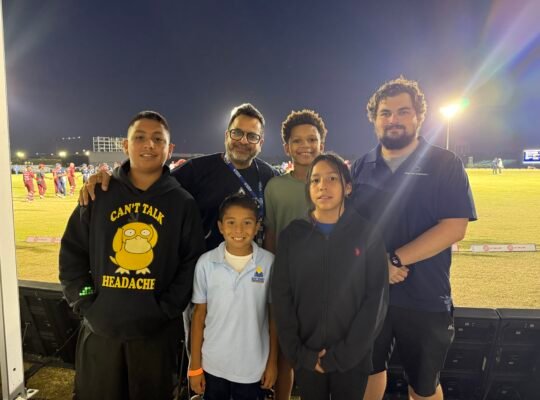
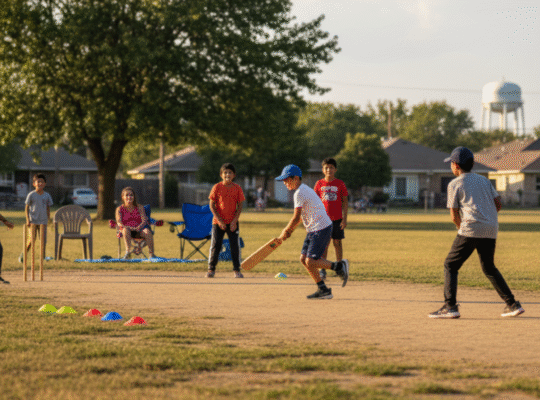
What distinguishes the league isn’t only its international attention—it’s its domestic investment. NCL partnerships now range from major broadcasters to grassroots programs introducing cricket in public schools and universities. In cities like Dallas, youth clinics and after-school initiatives are creating the next generation of American cricketers.
“Cricket’s success in the U.S. won’t be measured by imported talent,” Agarwal notes. “It will be measured by how many American kids pick up a bat for the first time.”
That dual focus—global visibility paired with local engagement—has allowed the league to grow audiences while nurturing homegrown potential.
Building Toward LA28
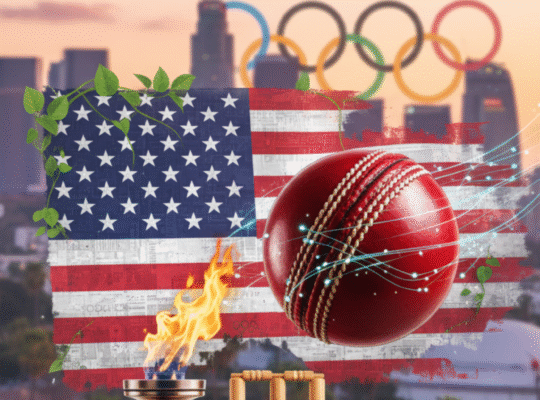
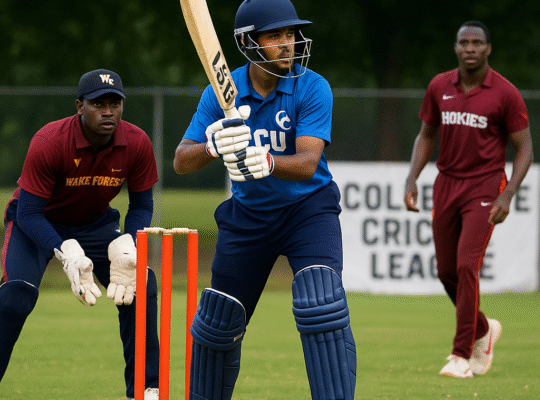
The timing is fortuitous. With cricket returning to the Los Angeles 2028 Olympics, the NCL’s efforts align with an international spotlight the sport hasn’t enjoyed in decades. The league’s tournaments and collegiate programs are serving as informal pipelines, preparing American players to compete on an Olympic stage for the first time.
Sports economists see parallels with soccer’s U.S. growth in the 1990s: infrastructure now, cultural acceptance later. The NCL is positioning cricket to follow that same curve—only faster.
A New Chapter in U.S. Sports Culture
Today, the National Cricket League represents more than a successful startup; it’s proof that global sports can be reimagined for an American audience without losing authenticity. Viewership now spans more than 50 countries, and attendance records continue to climb with each season.
The ultimate goal, according to Agarwal, remains straightforward: make cricket a household name in America. If the league continues on its current trajectory, the once-unthinkable prospect of the U.S. as a competitive cricket nation may soon become reality.