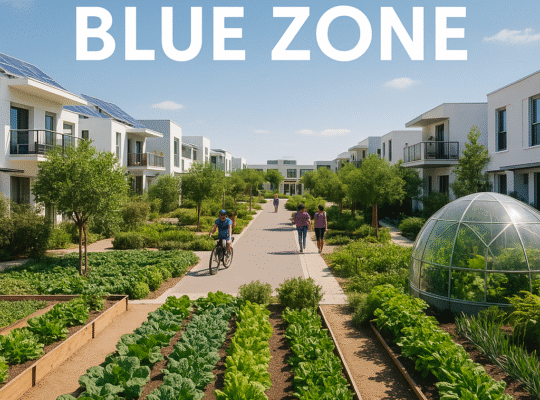
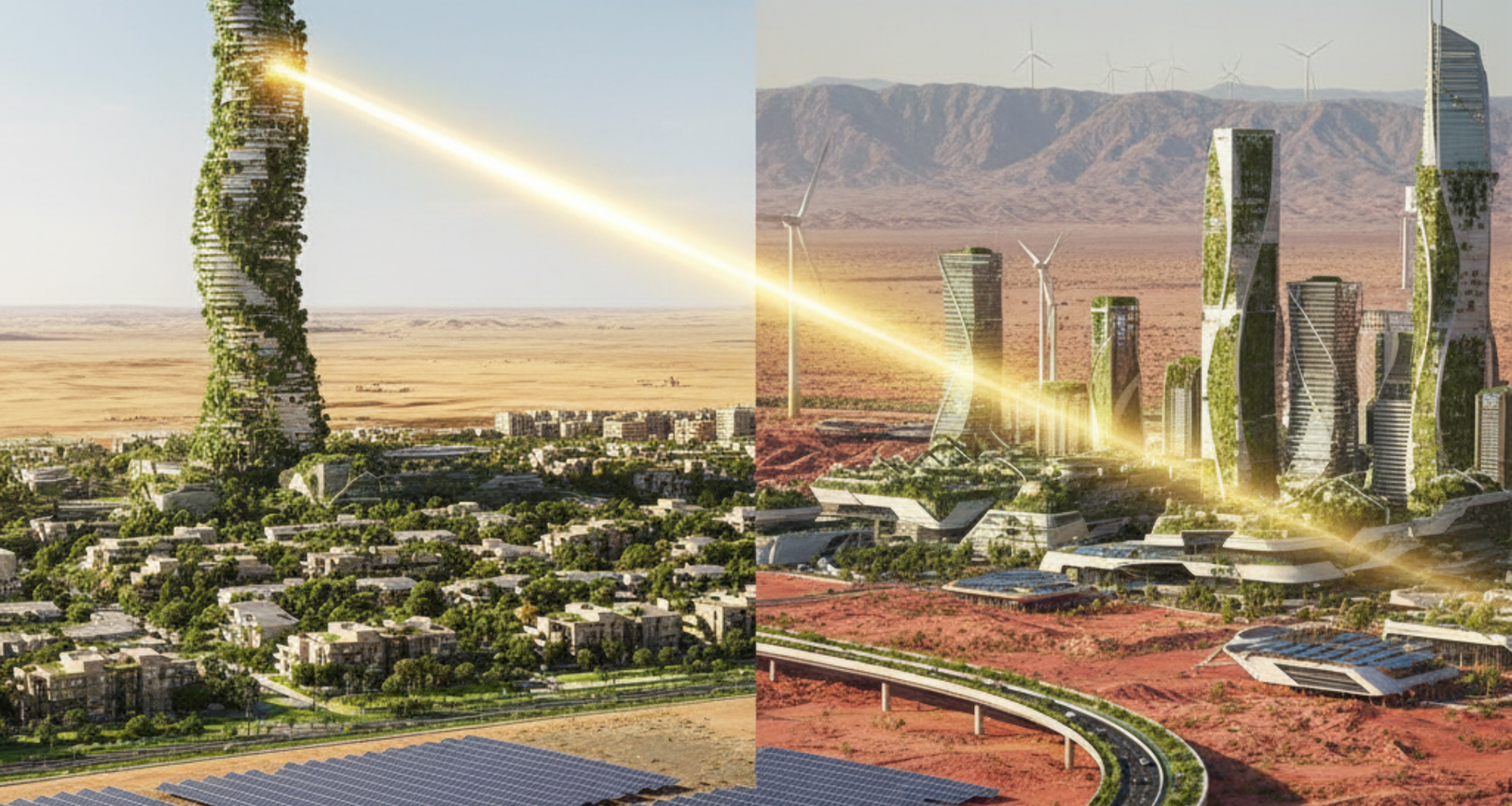
Drive 20 minutes outside Dubai’s skyscrapers, and you enter a different kind of skyline—rows of solar panels glistening in the desert sun, powering homes that give back more electricity than they consume.
Built by SEE Holding, the Sustainable City has become a living case study in circular energy design. Every rooftop is covered in photovoltaic panels; every building is insulated to minimize air-conditioning demand. The community’s integrated grid feeds surplus power back into Dubai’s system, making it one of the first urban developments in the Middle East to achieve net-positive energy status.
“Solar isn’t just technology—it’s infrastructure for resilience,” said Dr. Aisha Al-Nuaimi, Director of the UAE Clean Energy Council, during the 2025 World Future Energy Summit.
Now imagine this model across the American Southwest. Cities like Tucson, Las Vegas, and Dallas get more annual sunlight than Dubai. If local developers replicated even half the Sustainable City’s output—roughly 10 megawatts per district—it could offset 5 million tons of U.S. emissions per year, according to data from the U.S. Department of Energy.
In Dubai, this ecosystem extends beyond electricity. Electric buggies replace cars, greywater systems irrigate urban farms, and bio-domes produce 3,000 kg of vegetables each month.
“If every U.S. county adopted just one 40-hectare solar-integrated community,” estimates McKinsey’s 2025 Sustainability Index, “the national grid could reach 80% renewables a decade ahead of schedule.”
The Sustainable City isn’t merely a climate project—it’s an energy economy blueprint. For America, importing that mindset could be the most valuable renewable of all.
Sources: World Future Energy Summit (2025), U.S. Department of Energy Solar Data (2025), McKinsey Sustainability Index (2025).